ACRD.one

Category Business Consulting and Growth

Telemarketing image
Telemarketing: Driving Sales and Building Connections in Mangalore and Bangalore

Telemarketing remains a powerful tool in the digital age, offering businesses a direct and personal way to connect with potential and existing customers. For businesses in Mangalore and Bangalore, telemarketing can drive sales, generate leads, and foster customer loyalty in highly competitive marke

This article explores the benefits of telemarketing, actionable strategies for success, and tips to implement telemarketing campaigns effectively for businesses in these cities.

What is Telemarketing?
Telemarketing is the practice of contacting potential or existing customers over the phone to promote products, services, or initiatives. It includes:

  • Cold Calling: Reaching out to potential customers who haven’t interacted with your business before.
  • Warm Calling: Following up with leads who have shown prior interest in your offerings.
  • Customer Retention Calls: Engaging with existing customers to ensure satisfaction and offer additional services.

Technical Tip: Use CRM tools like Salesforce or HubSpot to track customer interactions and streamline telemarketing efforts.


Benefits of Telemarketing for Businesses in Mangalore and Bangalore
Telemarketing offers several advantages, including:

  • Direct Interaction: Build trust and rapport with customers through personalized communication.
  • Immediate Feedback: Understand customer concerns and preferences in real time.
  • Cost-Effectiveness: Reach a wide audience without significant advertising costs.
  • Lead Generation: Identify and nurture potential clients for future sales.

Actionable Idea: Tailor your scripts to include references to local events or trends in Mangalore and Bangalore, making the conversation more relatable.

Strategies for Successful Telemarketing Campaigns

Know Your Audience
Segment your target market based on demographics, interests, and purchasing behavior. This ensures your approach resonates with the audience.

Actionable Idea: Focus on specific industries or niches prevalent in Mangalore and Bangalore, such as IT services, tourism, or local retail.

Develop Effective Scripts
Create scripts that are engaging, concise, and adaptable to different customer responses. Avoid sounding robotic by allowing room for natural conversation.

Technical Tip: Use AI-powered script generators like Gong.io for creating and refining telemarketing scripts.

Train Your Team
Ensure telemarketers are well-trained in product knowledge, objection handling, and communication skills.

Actionable Idea: Conduct regular role-playing sessions to improve confidence and adaptability during calls.

Leverage Technology
Automate routine tasks like dialing, voicemail drops, and call scheduling to save time and increase efficiency.

Technical Tip: Use telemarketing software such as CallHippo or Aircall for advanced features like call recording, analytics, and integration with CRM tools.

Actionable Idea: Run A/B tests on different scripts or call timings to identify the most effective approach.

Telemarketing Tips for Mangalore and Bangalore Businesses

  • Understand Regional Preferences: Adjust your communication style to suit the cultural norms of your audience.
  • Time Your Calls Strategically: Make calls during business hours, avoiding early mornings or late evenings.
  • Build Local Rapport: Mention local landmarks, festivals, or events to establish a connection with customers.

Actionable Idea: Offer exclusive deals or discounts during local festivals like Diwali or Karavali Utsav to boost customer engagement.

The Future of Telemarketing
Incorporating technology like AI and chatbots will revolutionize telemarketing, making it more efficient and personalized. Businesses that adopt these innovations early will gain a competitive advantage in the Mangalore and Bangalore markets.

Actionable Idea: Combine telemarketing with email follow-ups and social media engagement for a multi-channel approach to lead nurturing.

Conclusion
Telemarketing remains a vital strategy for businesses aiming to drive sales, generate leads, and build strong customer relationships. By understanding the unique dynamics of the Mangalore and Bangalore markets and implementing these actionable strategies, businesses can achieve greater success and long-term growth.

Call-to-Action:
Ready to elevate your telemarketing game? Partner with ACRD.one for expert telemarketing solutions tailored to your business needs in Mangalore and Bangalore.


Categories:

  • Business Consulting and Growth
  • Telemarketing

Tags:
telemarketing, lead generation, customer engagement, sales strategies, call scripts, cold calling, warm calling, telemarketing software, customer satisfaction, business growth, Mangalore businesses, Bangalore businesses, CRM integration, call tracking, local marketing
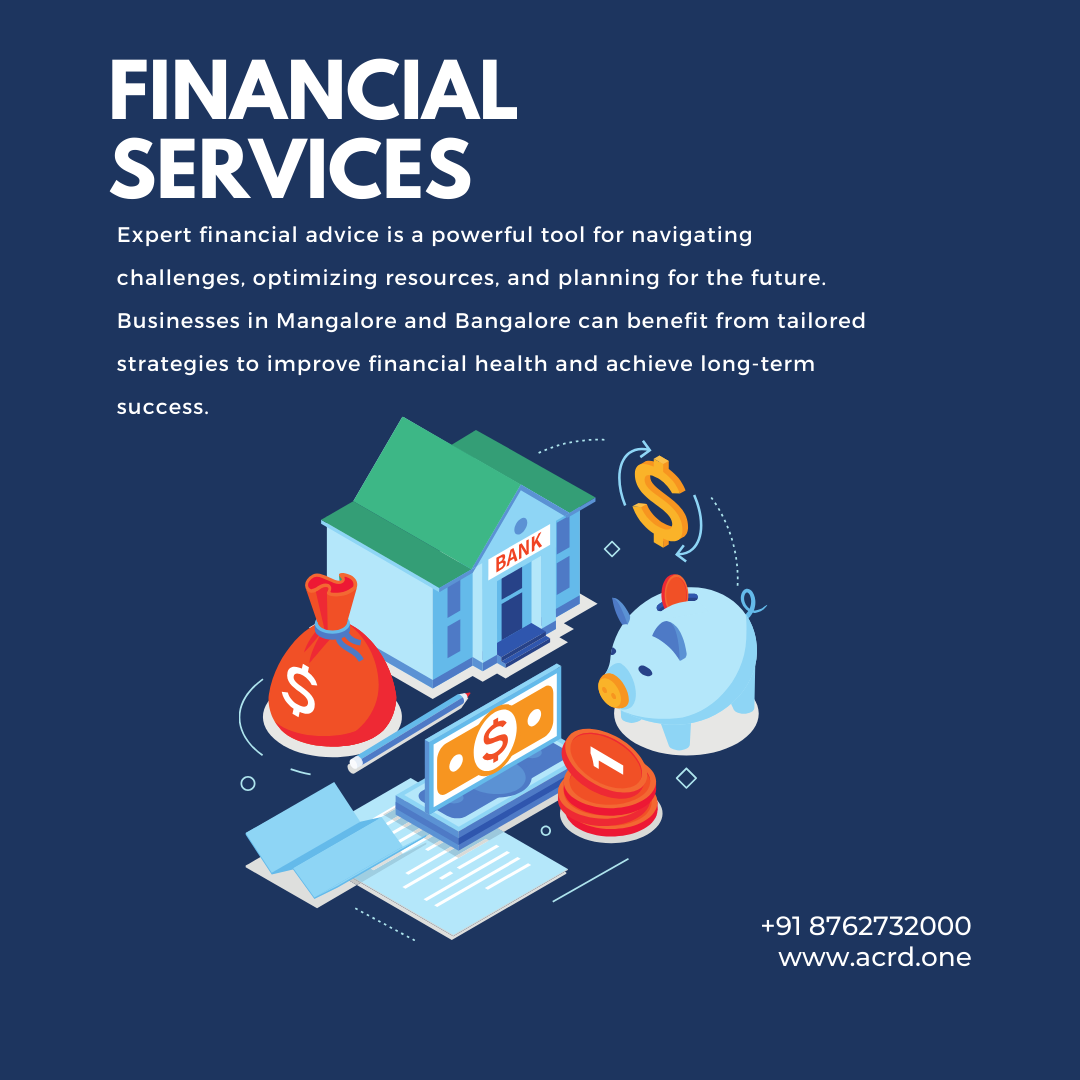
financial advice image
Financial Advice: Empowering Businesses in Mangalore and Bangalore

Financial health is at the core of every successful business. Whether you’re a startup in Mangalore or an established enterprise in Bangalore, making informed financial decisions is essential for growth and sustainability. Financial advice offers businesses the insights needed to navigate complex financial challenges, optimize resources, and plan for the future.

This article delves into the importance of financial advice, actionable strategies for financial success, and tips tailored to businesses operating in Mangalore and Bangalore.


Why Financial Advice Matters for Businesses
Financial advice provides a roadmap for:

  • Budget Optimization: Ensuring resources are allocated efficiently.
  • Risk Management: Identifying and mitigating financial risks.
  • Tax Planning: Minimizing liabilities and maximizing savings.
  • Growth Planning: Strategizing investments to achieve business goals.

Technical Tip: Use tools like QuickBooks or Xero to track finances and generate reports for better financial analysis.


Common Financial Challenges in Mangalore and Bangalore
Businesses in these cities often face challenges like:

  • High Operational Costs: Rising costs of real estate and resources.
  • Cash Flow Issues: Managing seasonal fluctuations and payment delays.
  • Regulatory Compliance: Navigating tax laws and government regulations.
  • Access to Capital: Securing loans or investments for growth initiatives.

Actionable Idea: Work with a local financial advisor to create a tailored financial strategy that addresses these specific challenges.


Actionable Financial Strategies for Businesses

Create a Comprehensive Budget
A well-structured budget helps track income and expenses, ensuring resources are used effectively.

  • Include All Costs: Account for fixed, variable, and unexpected expenses.
  • Set Clear Goals: Align your budget with your business objectives.

Technical Tip: Use budgeting software like YNAB (You Need A Budget) to stay on top of your finances.

Conduct Regular Financial Audits
Regular audits help identify inefficiencies and areas for improvement.

  • Internal Audits: Assess internal processes for cost-saving opportunities.
  • External Audits: Ensure compliance with financial regulations.

Actionable Idea: Schedule quarterly audits to keep your financial strategy aligned with market changes.

Diversify Revenue Streams
Relying on a single revenue source is risky. Explore opportunities to diversify income:

  • Introduce New Products or Services: Cater to changing customer demands.
  • Invest in Passive Income Opportunities: For instance, renting out unused office space.

Technical Tip: Analyze customer trends using tools like Google Analytics to identify potential revenue opportunities.

Manage Debt Effectively
Ensure debts are managed wisely to maintain cash flow and avoid financial stress.

  • Prioritize High-Interest Debt: Pay these off first to save money.
  • Renegotiate Terms: Work with lenders to secure better rates or longer repayment periods.

Actionable Idea: Use debt consolidation services to simplify repayments and reduce interest costs.

Benefits of Professional Financial Advice

  • Strategic Growth Planning: Advisors help allocate resources for maximum impact.
  • Tax Optimization: Experts identify deductions and credits to save money.
  • Improved Cash Flow Management: Solutions for maintaining steady cash flow.
  • Future-Proofing: Advisors help businesses prepare for economic shifts and challenges.

Technical Tip: Leverage tools like Mint or PocketSmith for cash flow forecasting and long-term planning.

Tailoring Financial Advice for Mangalore and Bangalore
Given the unique economic landscapes of these cities, businesses should:

  • Understand Local Market Trends: Research industry-specific financial benchmarks.
  • Leverage Government Schemes: Take advantage of incentives for SMEs and startups.
  • Plan for Growth: Focus on scalability to meet increasing local demands.

Actionable Idea: Participate in financial workshops or webinars organized by local chambers of commerce.

Conclusion
Expert financial advice is a powerful tool for navigating challenges, optimizing resources, and planning for the future. Businesses in Mangalore and Bangalore can benefit from tailored strategies to improve financial health and achieve long-term success.

Call-to-Action:
Looking for expert financial guidance? Partner with ACRD.one for personalized financial advice that empowers your business to grow and thrive in Mangalore and Bangalore.


Categories:

  • Business Consulting and Growth
  • Financial Advice

Tags:
financial advice, business finance, budget optimization, cash flow management, debt management, tax planning, growth strategies, Mangalore businesses, Bangalore businesses, financial planning, local business strategy, financial audits, revenue diversification, cost management, professional advice

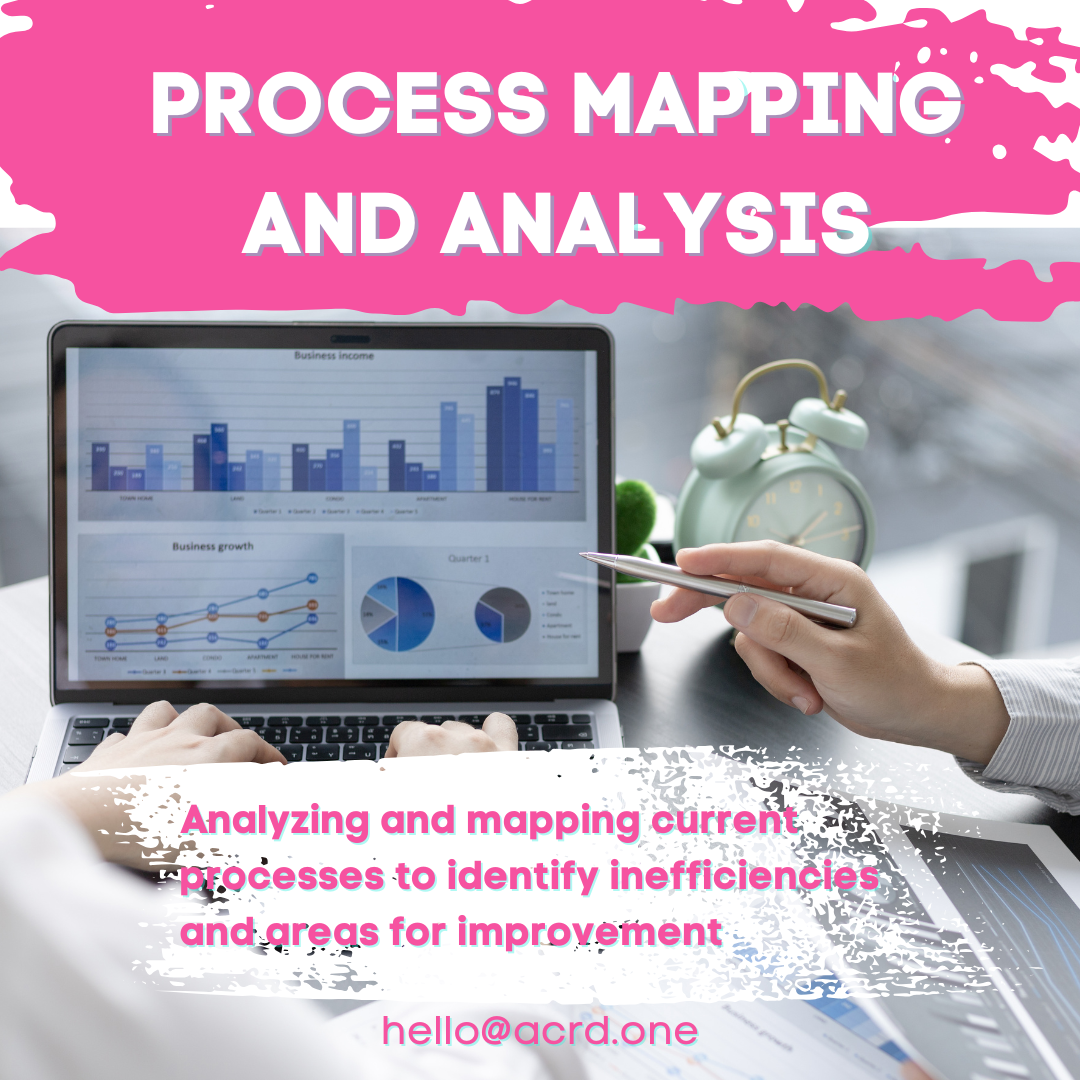
process mapping image
Process Mapping: Streamlining Business Operations in Mangalore and Bangalore

Efficient workflows are the backbone of successful businesses. Process mapping is a strategic tool that helps visualize, analyze, and improve business operations. It allows organizations to identify bottlenecks, eliminate inefficiencies, and create streamlined workflows.

For businesses in Mangalore and Bangalore, process mapping is an invaluable resource for enhancing operational efficiency, reducing costs, and maintaining a competitive edge. This article explores the benefits, strategies, and actionable tips for effective process mapping tailored to the dynamic business environments of these cities.


What is Process Mapping?
Process mapping is a visual representation of the steps, activities, and decisions involved in completing a specific task or workflow. It provides a clear and concise overview of how processes function, enabling businesses to:

  • Identify Inefficiencies: Locate redundancies, delays, and unnecessary steps.
  • Improve Collaboration: Enhance communication and alignment between teams.
  • Standardize Workflows: Ensure consistency and quality in operations.

Common tools for process mapping include:

  • Flowcharts
  • Swimlane Diagrams
  • Value Stream Maps

Technical Tip: Use software like Lucidchart, Visio, or Miro to create detailed and collaborative process maps.


Why Process Mapping is Crucial for Businesses in Mangalore and Bangalore
In fast-growing urban markets like Mangalore and Bangalore, businesses face unique challenges, including high competition and rapid technological advancements. Process mapping helps businesses:

  • Enhance Efficiency: Minimize waste and optimize resource allocation.
  • Adapt to Changes: Quickly update workflows to accommodate new technologies or market demands.
  • Improve Customer Satisfaction: Deliver consistent and high-quality services.

Technical Tip: Conduct regular reviews of your process maps to ensure they remain relevant and up to date with market conditions.


Key Steps in Process Mapping

A. Define the Objective
Begin by identifying the process you want to map and its purpose. This could range from improving customer onboarding to optimizing supply chain logistics.

Actionable Idea: Gather input from all stakeholders to ensure a comprehensive understanding of the process.


Collect Data
Understand how the process currently operates. Observe workflows, interview employees, and review performance metrics.

Actionable Idea: Use time-tracking tools like Toggl to measure the duration of each process step.


Create the Map
Visualize the process by mapping out each step in sequence. Include decision points, inputs, and outputs to provide a complete picture.

Technical Tip: Incorporate color-coding or labels to distinguish between different roles, tasks, and decision points.


Analyze the Process
Examine the map to identify inefficiencies, redundancies, or bottlenecks. Look for opportunities to streamline workflows and eliminate waste.

Actionable Idea: Use Lean or Six Sigma methodologies to guide your analysis.


Implement and Monitor Changes
Once improvements are identified, implement changes and monitor their impact. Update the process map to reflect the new workflow.

Technical Tip: Automate repetitive tasks using tools like Zapier or Monday.com to save time and reduce errors.


Benefits of Process Mapping

  • Improved Productivity: Streamlined workflows lead to faster task completion.
  • Cost Savings: Identifying and removing inefficiencies reduces operational costs.
  • Enhanced Employee Engagement: Clear workflows improve employee understanding and accountability.
  • Better Decision-Making: Process maps provide data-driven insights for strategic decisions.

Technical Tip: Use process simulation software like iGrafx to test proposed changes before implementing them.


Local Considerations for Process Mapping
For businesses in Mangalore and Bangalore, consider the following:

  • Localized Processes: Adapt workflows to suit local customer preferences and regulations.
  • Scalability: Design processes to handle increasing demands in these rapidly growing markets.
  • Technological Integration: Leverage digital tools to modernize workflows and improve efficiency.

Actionable Idea: Partner with local consultants to gain insights into regional operational challenges and solutions.


Conclusion
Process mapping is a transformative tool for businesses aiming to enhance efficiency and stay competitive. By visualizing workflows, identifying inefficiencies, and implementing improvements, organizations can achieve streamlined operations and better outcomes. Businesses in Mangalore and Bangalore can leverage process mapping to meet the demands of their dynamic markets and achieve sustainable growth.

Call-to-Action:
Streamline your business operations with expert process mapping services from ACRD.one. Contact us today to optimize workflows and improve efficiency for your business in Mangalore and Bangalore.


Categories:

  • Business Consulting and Growth
  • Process Mapping

Tags:
process mapping, workflow optimization, business efficiency, operational improvements, process visualization, Lean methodology, Six Sigma, Mangalore businesses, Bangalore businesses, business consulting, workflow analysis, cost reduction, productivity enhancement, process automation

Pricing Optimization image
Pricing Optimization: Boosting Profitability in Mangalore and Bangalore

Setting the right price is both an art and a science. Pricing optimization involves analyzing market trends, customer behavior, and business goals to determine the ideal price for your products or services. For businesses in Mangalore and Bangalore, an optimized pricing strategy can make the difference between thriving and merely surviving in competitive markets.

This article delves into the importance of pricing optimization, actionable strategies to implement it effectively, and tips to maximize profitability while maintaining customer satisfaction.


What is Pricing Optimization?
Pricing optimization is the process of determining the best price for a product or service based on various factors such as:

  • Market Demand: Understanding how much customers are willing to pay.
  • Competitor Pricing: Evaluating prices set by competitors in the market.
  • Customer Value Perception: Assessing how customers perceive the value of your offerings.
  • Cost Analysis: Ensuring prices cover costs and achieve desired profit margins.

Technical Tip: Use pricing analytics tools like PROS or Pricefx to gain insights into customer preferences and market conditions.


Importance of Pricing Optimization for Businesses in Mangalore and Bangalore
Optimizing your pricing strategy offers several benefits:

  • Improved Profit Margins: Ensure prices are set to maximize revenue without alienating customers.
  • Customer Loyalty: Fair and transparent pricing builds trust and encourages repeat business.
  • Competitive Advantage: Strategic pricing helps your business stand out in crowded markets.
  • Adaptability: Pricing optimization allows you to respond quickly to market changes.

Technical Tip: Conduct a competitive pricing analysis using tools like Competera to monitor local competitors’ prices in Mangalore and Bangalore.


Effective Pricing Optimization Strategies

A. Understand Your Target Audience
Segment your audience based on demographics, preferences, and purchasing behavior. Tailor your pricing strategies to meet the needs of different customer groups.

Actionable Idea: Offer tiered pricing plans (e.g., basic, premium) to cater to diverse customer budgets.


Use Dynamic Pricing
Dynamic pricing adjusts prices in real time based on factors like demand, competition, and inventory levels. This approach works well for industries like retail, hospitality, and e-commerce.

Technical Tip: Implement dynamic pricing tools like Revionics to optimize prices in fluctuating markets.


Offer Discounts Strategically
Discounts and promotional offers can drive sales, but they should be used strategically. Ensure that the perceived value of the discount outweighs the potential revenue loss.

Actionable Idea: Run time-sensitive promotions during local festivals like Diwali or Dasara to attract more customers in Mangalore and Bangalore.


Test Pricing Models
Experiment with different pricing models to find what works best for your business. Options include:

  • Cost-Plus Pricing: Adding a fixed percentage to the production cost.
  • Value-Based Pricing: Setting prices based on perceived customer value.
  • Penetration Pricing: Offering lower prices initially to gain market share.

Technical Tip: Use A/B testing to evaluate the performance of different pricing strategies.


Communicate Value Clearly
Customers are more likely to accept higher prices if they understand the value behind them. Highlight the unique benefits of your offerings in your marketing campaigns.

Actionable Idea: Use testimonials or case studies to showcase how your product or service delivers value.


Metrics to Track for Pricing Optimization Success
To ensure your pricing strategy is effective, track the following metrics:

  • Profit Margin: The percentage of revenue left after deducting costs.
  • Price Elasticity: How sensitive customers are to price changes.
  • Revenue Per Customer: Average revenue generated per customer.
  • Churn Rate: Percentage of customers lost due to pricing dissatisfaction.
  • Market Share: Your position relative to competitors in Mangalore and Bangalore.

Technical Tip: Use data visualization tools like Tableau or Power BI to track and analyze pricing metrics.


Adapting Pricing for Mangalore and Bangalore Markets
When optimizing pricing for these regions, consider:

  • Local Economic Factors: Analyze purchasing power and spending habits in each city.
  • Cultural Preferences: Tailor pricing models to regional norms and preferences.
  • Seasonal Trends: Adjust prices based on demand fluctuations during festivals or tourist seasons.

Actionable Idea: Create region-specific pricing for Mangalore and Bangalore to cater to their unique market dynamics.


Conclusion
Pricing optimization is a critical component of business success. By understanding your customers, leveraging data analytics, and continuously refining your strategies, you can set prices that maximize revenue while maintaining customer satisfaction. Businesses in Mangalore and Bangalore can use these actionable strategies to stay competitive and grow sustainably.

Call-to-Action:
Optimize your pricing strategy with the help of ACRD.one. Contact us today to develop a customized approach that drives profitability and growth for your business in Mangalore and Bangalore.


Categories:

  • Business Consulting and Growth
  • Pricing Optimization

Tags:
pricing optimization, revenue growth, profitability, customer value, competitive pricing, local business strategy, Mangalore businesses, Bangalore businesses, dynamic pricing, cost analysis, A/B testing, pricing tools, customer segmentation, pricing strategy, seasonal pricing

Customer Experience Optimization
Customer Experience Optimization: Elevating Customer Satisfaction in Mangalore and Bangalore

In today’s competitive market, providing an exceptional customer experience (CX) is no longer optional; it’s a necessity. Customer Experience Optimization (CXO) focuses on understanding and improving every interaction customers have with your business. For businesses in Mangalore and Bangalore, optimizing customer experience can lead to increased satisfaction, stronger brand loyalty, and higher revenues.

This article dives into the importance of CX optimization, strategies to implement it effectively, and actionable tips to help businesses create memorable experiences for their customers.


What is Customer Experience Optimization?
Customer Experience Optimization is the process of analyzing and enhancing every touchpoint in the customer journey, ensuring that interactions are smooth, personalized, and aligned with customer expectations.

Key elements of CX optimization include:

  • Customer Journey Mapping: Identifying all the steps a customer takes from awareness to post-purchase.
  • Feedback Mechanisms: Collecting and acting on customer feedback.
  • Personalization: Tailoring experiences based on customer preferences and behavior.
  • Efficient Support: Ensuring that customer service is prompt and helpful.

Technical Tip: Use tools like Hotjar or Crazy Egg to track customer behavior on your website and identify friction points in their journey.


Why CX Optimization Matters for Businesses in Mangalore and Bangalore
Enhancing customer experience is vital for businesses in these bustling cities to thrive in competitive markets.

  • Increased Customer Retention: Happy customers are more likely to return, reducing churn rates.
  • Enhanced Word-of-Mouth Marketing: Satisfied customers often share their positive experiences with others, boosting your brand reputation.
  • Higher Revenue: Improved CX leads to higher customer lifetime value (CLV) and repeat purchases.
  • Competitive Advantage: Offering a seamless experience sets you apart from competitors.

Technical Tip: Utilize Net Promoter Score (NPS) surveys to gauge customer satisfaction and identify areas for improvement.


Effective Strategies for CX Optimization

A. Understand Your Customers
The first step to optimizing CX is knowing your customers. Conduct surveys, focus groups, and interviews to gather insights about their needs, preferences, and pain points.

Actionable Idea: Use AI-driven analytics tools like Google Analytics 4 to understand customer behavior and trends.


Create a Customer-Centric Culture
Ensure that customer satisfaction is a priority at every level of your organization. Train your employees to deliver exceptional service and empower them to resolve issues quickly.

Actionable Idea: Develop a reward system for employees based on customer satisfaction metrics to encourage a CX-first mindset.


Personalize the Customer Journey
Tailor your offerings and communication to individual customer preferences. Use data-driven insights to recommend products, send personalized messages, and provide relevant solutions.

Technical Tip: Leverage CRM platforms like Salesforce or Zoho CRM for managing customer data and automating personalized interactions.


Streamline Digital Experiences
Ensure that your website, mobile app, and other digital touchpoints are user-friendly and responsive. Simplify navigation, reduce load times, and offer seamless payment options.

Actionable Idea: Implement live chat features or chatbots to address customer queries in real-time.


Collect and Act on Feedback
Customer feedback is a goldmine for identifying improvement areas. Use online surveys, social media polls, and review platforms to gather opinions.

Technical Tip: Use tools like SurveyMonkey or Qualtrics to collect structured feedback efficiently.


Metrics to Measure Customer Experience Success
To ensure your CX optimization strategies are effective, track the following metrics:

  • Customer Satisfaction Score (CSAT): Measures how satisfied customers are with your services.
  • Net Promoter Score (NPS): Indicates how likely customers are to recommend your business.
  • Customer Effort Score (CES): Assesses the ease of customer interactions with your brand.
  • Retention Rate: Tracks the percentage of customers who return over time.
  • Customer Lifetime Value (CLV): Calculates the total revenue a customer is expected to generate during their lifetime with your business.

Technical Tip: Use dashboards from tools like Zendesk or HubSpot to visualize these metrics and track performance over time.


Localized CX Optimization for Mangalore and Bangalore
Incorporate regional preferences and cultural nuances into your CX strategies. For instance:

  • Language Preferences: Offer customer support in local languages like Kannada, Tulu, or Hindi.
  • Community Engagement: Participate in local events or sponsor regional initiatives to build trust.
  • Localized Marketing Campaigns: Tailor your promotions to reflect regional festivals or themes.

Actionable Idea: Create loyalty programs with region-specific rewards, such as discounts on local products or services.


Conclusion
Customer Experience Optimization is a powerful tool for driving business growth. By understanding your customers, personalizing their journeys, and addressing their pain points, you can create lasting relationships that translate into loyalty and higher revenues. For businesses in Mangalore and Bangalore, prioritizing CX is the key to thriving in these competitive markets.

Call-to-Action:
Enhance your customer experience with expert guidance from ACRD.one. Contact us today for tailored solutions to boost customer satisfaction and retention in Mangalore and Bangalore.


Categories:

  • Business Consulting and Growth
  • Customer Experience Optimization

Tags:
customer experience, CX optimization, customer satisfaction, customer loyalty, personalized experiences, feedback collection, customer retention, Mangalore businesses, Bangalore businesses, digital experience, CRM tools, CX metrics, user-friendly design, regional marketing

lead generation image
Lead Generation: Strategies to Drive Business Growth in Mangalore and Bangalore

Lead generation is the lifeblood of any business striving for growth. It involves attracting and converting potential customers into qualified leads, who can then be nurtured into loyal customers. For businesses in Mangalore and Bangalore, a robust lead generation strategy is crucial to staying ahead in a competitive market.

This article explores effective lead generation strategies tailored for businesses in these regions, with actionable tips to help you generate more leads, boost engagement, and ultimately increase your sales.

What is Lead Generation?
Lead generation is the process of identifying and capturing the interest of potential customers in your products or services. It involves using various marketing channels and techniques to attract prospects and encourage them to share their contact information, such as email addresses, phone numbers, or social media handles.

The goal is to create a pool of interested individuals who can be nurtured through personalized marketing efforts until they are ready to make a purchase.

Key Lead Generation Channels:

  • Online Channels: Social media platforms, search engine ads, email campaigns, and content marketing.
  • Offline Channels: Networking events, trade shows, referrals, and direct mail campaigns.

Technical Tip: Use tools like HubSpot, Mailchimp, or Salesforce to streamline your lead generation efforts and track lead data effectively.


Why Lead Generation is Crucial for Businesses in Mangalore and Bangalore
Mangalore and Bangalore are growing economic hubs with vibrant markets and diverse customer bases. Effective lead generation is essential to tap into these opportunities. Here’s why it matters:

  • Increased Customer Base: Generating leads helps you expand your customer base by reaching new audiences.
  • Better Sales Opportunities: Quality leads have a higher likelihood of converting into customers, leading to increased sales and revenue.
  • Targeted Marketing: A strong lead generation strategy allows you to focus on specific customer segments, ensuring your marketing efforts are more effective.
  • Sustainable Growth: Consistent lead generation ensures a steady pipeline of potential customers, making your business less reliant on unpredictable revenue streams.

Technical Tip: Leverage local search ads on platforms like Google Ads to attract customers searching for services in Mangalore or Bangalore.


Conclusion
Lead generation is a continuous process that requires creativity, persistence, and the right tools. By leveraging the strategies outlined above, businesses in Mangalore and Bangalore can generate high-quality leads and build lasting relationships with their customers. Start implementing these techniques today to drive growth and outpace the competition.

Call-to-Action:
Looking for expert lead generation services? Contact ACRD.one to create customized strategies that deliver measurable results for your business in Mangalore and Bangalore.


Categories:

  • Business Consulting and Growth
  • Lead Generation

Tags:
lead generation, local lead generation, customer acquisition, sales funnel, lead nurturing, Mangalore businesses, Bangalore businesses, social media leads, content marketing, paid ads, local SEO, business growth, CRM tools, lead capture, email marketing, lead conversion

SG&A Optimization image
SG&A Optimization: A Key Strategy for Improving Business Efficiency in Mangalore and Bangalore

Selling, General, and Administrative (SG&A) expenses are crucial to a company’s cost structure, encompassing a wide range of operational costs that are necessary to keep the business running. These expenses include salaries, marketing costs, office rent, utilities, and more. While they are essential for day-to-day operations, managing SG&A expenses effectively is critical to a business’s profitability and competitiveness.

For businesses in Mangalore and Bangalore, SG&A optimization offers the potential to significantly improve the bottom line by reducing unnecessary overheads and reallocating resources to more productive areas. In this article, we will explore the importance of SG&A optimization, how to conduct an assessment, and strategies to reduce costs while maintaining business effectiveness.


What is SG&A Optimization?
SG&A optimization refers to the process of evaluating and streamlining a company’s selling, general, and administrative expenses to improve efficiency and reduce unnecessary costs. The goal is not just to cut costs, but to allocate resources more effectively, ensuring that each dollar spent on SG&A contributes directly to the company’s long-term profitability and growth.

The key areas of SG&A expenses include:

  • Selling Expenses: Costs associated with sales and marketing activities, including advertising, promotions, sales commissions, and direct selling expenses.
  • General Expenses: Costs related to corporate management, IT systems, legal, and general operations.
  • Administrative Expenses: Costs for human resources, accounting, finance, office rent, and utilities.

SG&A optimization helps identify inefficiencies in these areas, enabling businesses to achieve a leaner, more cost-effective operation.


Why SG&A Optimization is Important for Businesses in Mangalore and Bangalore
The businesses in Mangalore and Bangalore face unique challenges due to the highly competitive environment in these regions. SG&A optimization is essential for improving financial health and supporting sustainable growth. Here are some reasons why SG&A optimization is important:

  • Cost Reduction: Optimizing SG&A can directly reduce operational costs. By cutting non-essential expenses, companies can reallocate resources to more revenue-generating areas, such as product development, customer acquisition, or technology investments.
  • Improved Profit Margins: Lowering SG&A expenses improves profit margins, helping businesses in Mangalore and Bangalore increase their profitability without needing to increase sales. This is especially crucial for small and medium-sized businesses.
  • Increased Competitiveness: By minimizing unnecessary overheads, businesses can operate more efficiently, enabling them to price their products and services more competitively.
  • Reinvestment in Growth: Optimizing SG&A allows businesses to free up funds that can be reinvested into growth strategies, such as expanding product lines, improving customer service, or entering new markets.

Technical Tip: Utilize software tools like SAP or Oracle to automate SG&A tracking. These systems provide detailed breakdowns of costs and can help businesses identify areas of inefficiency more easily.


Key Areas to Focus on in SG&A Optimization
When optimizing SG&A expenses, it’s essential to focus on key areas that have the highest impact on your business’s financial health. Here’s where businesses can start:

  • Streamlining Sales and Marketing: While sales and marketing are critical to driving revenue, businesses often overspend in these areas without maximizing returns. It’s important to measure the effectiveness of each marketing campaign, adjust strategies based on performance, and focus on high-return activities.
  • Outsourcing Administrative Tasks: Many administrative functions such as accounting, payroll, and IT support can be outsourced to third-party providers. This can reduce costs associated with hiring full-time employees, maintaining office space, and purchasing software.
  • Automating Repetitive Tasks: Automating manual processes, such as invoicing, data entry, and reporting, can significantly reduce labor costs and improve efficiency. Investing in automation tools for administrative functions can lead to long-term savings.
  • Evaluating Headcount and Compensation: Regularly assess your workforce size to ensure that the company isn’t overstaffed in administrative or general roles. Additionally, reviewing compensation packages to align with market standards can help optimize SG&A expenses without sacrificing employee satisfaction.

Technical Tip: Use HR management tools like Workday or BambooHR to track employee productivity and compensation data. This will help you determine if adjustments are needed to optimize administrative costs.


Strategies for SG&A Optimization in Mangalore and Bangalore
Implementing SG&A optimization strategies requires careful planning and execution. Here are some practical strategies businesses in Mangalore and Bangalore can use to optimize their SG&A expenses:

  • 1. Conduct a Comprehensive SG&A Assessment: Start by reviewing your SG&A expenses in detail. Categorize all expenses and identify areas where you are overspending. Look for redundancies or costs that can be reduced or eliminated.
  • 2. Implement Lean Management Principles: Lean management focuses on eliminating waste and improving operational efficiency. Apply lean principles to streamline administrative processes, reduce unnecessary steps, and minimize costs while maintaining quality.
  • 3. Negotiate with Vendors and Service Providers: Evaluate your contracts with vendors, suppliers, and service providers. Negotiating better terms, consolidating suppliers, or seeking alternative suppliers can help lower costs.
  • 4. Invest in Technology: Adopting the right technology can help automate many functions, saving both time and money. From CRM systems to marketing automation, the right tech can significantly reduce SG&A expenses.
  • 5. Improve Cross-Departmental Collaboration: SG&A expenses can sometimes be inflated due to inefficient communication and coordination between departments. Foster collaboration between sales, marketing, and administrative teams to reduce overlap and improve operational efficiency.

Technical Tip: Use project management tools like Asana or Trello to improve cross-departmental coordination and minimize miscommunications, which can lead to higher SG&A costs.


Measuring the Success of SG&A Optimization
Once you’ve implemented SG&A optimization strategies, it’s essential to track and measure their impact. Here’s how to measure success:

  • Reduction in SG&A Expenses: The primary indicator of success is the reduction in SG&A expenses over time. Track your SG&A-to-revenue ratio to see if the optimization strategies are leading to cost savings.
  • Improved Profit Margins: Higher profit margins are a clear sign that SG&A optimization is working. If you’re able to maintain or increase your revenue while lowering SG&A expenses, your business is operating more efficiently.
  • Increased Productivity: As SG&A expenses are reduced, employee productivity should increase. Track key performance metrics such as revenue per employee or tasks completed per employee to measure productivity improvements.
  • Return on Investment (ROI): Track the ROI of your SG&A optimization initiatives. Measure whether the cost savings are translating into increased profitability or reinvestment into business growth.

Technical Tip: Use KPI dashboards to track key metrics in real time. Tools like Google Data Studio or Tableau can provide visual insights into your SG&A performance and help you make data-driven decisions.


Conclusion
SG&A optimization is a powerful strategy for improving business profitability and efficiency. By identifying and reducing unnecessary costs, businesses in Mangalore and Bangalore can improve their bottom line, become more competitive, and reinvest in growth opportunities. Through a thorough assessment and strategic planning, SG&A expenses can be streamlined to ensure long-term sustainability and success.

Call-to-Action:
If you need assistance with optimizing your SG&A expenses, contact ACRD.one for expert consulting services that will help you streamline your operations and improve profitability in Mangalore and Bangalore.


Categories:

  • Business Consulting and Growth
  • SG&A Optimization

Tags:
SG&A optimization, cost reduction, business efficiency, profit margins, operational cost, sales expenses, general expenses, administrative expenses, lean management, outsourcing, technology investment, Mangalore businesses, Bangalore businesses, financial health, business growth, expense management

Profitability Assessment image
How Profitability Assessment Can Drive Business Success in Mangalore and Bangalore

Profitability is the ultimate measure of success for any business. However, many businesses struggle with understanding the specific drivers of their profitability and how to optimize them. A profitability assessment provides valuable insights into how well a company is performing financially and where adjustments can be made to boost profits.

For businesses in Mangalore and Bangalore, profitability assessments can reveal inefficiencies, help optimize cost structures, and ensure that revenue is being maximized. In this article, we will explore the concept of profitability assessment, why it is essential for your business, and how to conduct one to improve your bottom line.


What is Profitability Assessment?
A profitability assessment is the process of evaluating a company’s financial performance to determine how effectively it is generating profit from its operations. This assessment typically involves analyzing income statements, reviewing key financial metrics, and identifying areas of improvement.

A comprehensive profitability assessment provides insight into the company’s cost structures, pricing strategies, operational efficiencies, and revenue streams. By identifying areas where costs can be reduced or revenue increased, businesses can improve their overall profitability and achieve sustainable growth.


Why Profitability Assessment is Important for Businesses in Mangalore and Bangalore
Businesses in Mangalore and Bangalore must remain agile to stay competitive in their respective industries. A profitability assessment helps businesses identify key factors affecting their profitability and provides a roadmap for improvement. Here’s why it’s crucial:

  • Identifies Cost Inefficiencies: A profitability assessment reveals areas where your business may be overspending or not getting the best return on investment. It could be high operational costs, inefficient supply chains, or unnecessary expenses.
  • Enhances Financial Decision-Making: With a clear picture of your business’s financial health, you can make informed decisions about pricing strategies, cost reduction, and resource allocation.
  • Improves Revenue Generation: By assessing profitability, you can identify untapped revenue streams, adjust pricing strategies, or discover new markets that are more profitable.
  • Optimizes Operational Efficiency: Profitability assessments help identify bottlenecks in your operations that are limiting profitability. This allows businesses to streamline processes and improve overall efficiency.

Technical Tip: Use financial software like QuickBooks or Xero to generate detailed financial reports. These tools can help businesses track income, expenses, and key financial metrics with ease.


Key Components of a Profitability Assessment
A thorough profitability assessment covers several key components that provide insights into a business’s financial performance. Here are the primary elements of a profitability assessment:

  • Revenue Analysis: Examine your revenue streams to determine which products or services are generating the most profit. Look for areas where sales can be increased or products can be priced more effectively.
  • Cost Structure Analysis: Review your business’s fixed and variable costs. Are there any areas where you can reduce expenses without sacrificing quality or customer satisfaction? Consider optimizing your supply chain or negotiating better rates with vendors.
  • Gross Profit Margin: This metric helps determine the profitability of your core business operations. A healthy gross profit margin means that your business is efficiently converting sales into profit.
  • Operating Expenses: Assess the overhead costs that go into running your business. These include rent, utilities, salaries, and marketing expenses. Minimizing unnecessary operating expenses is key to increasing profitability.
  • Net Profit Margin: This is the final profit after all costs, taxes, and other expenses have been deducted from revenue. The net profit margin gives a clear picture of the company’s overall financial health.

Technical Tip: Utilize financial ratios such as Return on Assets (ROA) or Return on Equity (ROE) to measure the efficiency of your business in generating profits relative to its assets or equity.


Benefits of Profitability Assessment for Businesses in Mangalore and Bangalore
A profitability assessment can bring about a number of benefits for businesses in Mangalore and Bangalore, especially in a competitive market. Here’s how it helps:

  • Increased Profit Margins: By identifying areas where costs can be reduced and revenue can be optimized, a profitability assessment enables businesses to improve their profit margins.
  • Better Budgeting and Forecasting: With a clear understanding of your profitability, you can make more accurate financial forecasts and develop more effective budgets for the future.
  • Informed Investment Decisions: When you know which areas of your business are the most profitable, you can make more strategic decisions about where to invest. This might include investing in high-performing product lines or expanding into profitable new markets.
  • Competitive Edge: A business with better profitability is in a stronger position to reinvest in growth, innovation, and customer acquisition. This gives you an edge over competitors who might be struggling with profitability.

Technical Tip: Use benchmarking tools to compare your financial performance against industry standards. This will help you identify areas where you are outperforming competitors and areas where improvement is needed.


How to Conduct a Profitability Assessment for Your Business
Conducting a profitability assessment is a straightforward process if you follow these steps:

  • Step 1: Gather Financial Data: The first step is to gather all relevant financial documents, such as income statements, balance sheets, and cash flow statements. This will provide a clear overview of your business’s financial health.
  • Step 2: Analyze Revenue Streams: Break down your revenue by product, service, or customer segment. Identify which areas are generating the highest returns and consider ways to further capitalize on these.
  • Step 3: Review Cost Structures: Evaluate both your fixed and variable costs. Look for any inefficiencies that can be addressed, such as reducing energy consumption, renegotiating supplier contracts, or outsourcing non-core functions.
  • Step 4: Evaluate Profit Margins: Calculate your gross and net profit margins to understand how effectively your business is converting sales into profit. High margins indicate a profitable business model.
  • Step 5: Implement Changes: Once you’ve identified areas for improvement, implement changes such as cutting unnecessary costs, optimizing pricing strategies, or increasing sales in profitable segments.

Technical Tip: Use tools like Microsoft Excel or Google Sheets to create financial models and track your progress. You can set up customized dashboards to analyze key metrics such as profit margins and ROI.


Measuring the Success of a Profitability Assessment
After implementing changes based on your profitability assessment, it’s essential to measure the success of your efforts. Here are some metrics to track:

  • Profitability Ratios: Keep track of key profitability ratios such as gross profit margin, operating margin, and net profit margin. Improvements in these ratios indicate that your profitability has increased.
  • Revenue Growth: Monitor your revenue to see if it increases after implementing the recommended changes. Consistent revenue growth is a sign that your business is becoming more profitable.
  • Cost Savings: Track the reduction in operational costs, such as lower supply chain expenses or reduced overhead costs. The more you save, the higher your profitability.
  • Cash Flow: Healthy cash flow is a critical indicator of profitability. It ensures that your business can meet its short-term obligations while reinvesting in growth.

Technical Tip: Set up automated reports in your financial software to monitor progress regularly. This will help you identify trends and take corrective actions when necessary.


Conclusion
Profitability assessment is an essential process for businesses in Mangalore and Bangalore to ensure that they are maximizing their potential for growth. By analyzing revenue streams, cutting costs, and optimizing operational efficiency, businesses can significantly improve their profitability and long-term sustainability.

Call-to-Action:
Need help assessing your business’s profitability? Contact ACRD.one for expert profitability assessment services and unlock opportunities for greater success in Mangalore and Bangalore.


Categories:

  • Business Consulting and Growth
  • Profitability Assessment

Tags:
profitability assessment, business profitability, financial performance, revenue optimization, cost reduction, profit margins, net profit margin, business budgeting, financial forecasting, Mangalore businesses, Bangalore businesses, operational efficiency, financial analysis, business growth, profitability improvement

Growth Strategy image
Crafting a Winning Growth Strategy for Businesses in Mangalore and Bangalore

Every business, whether small or large, aims to grow. However, growth doesn’t happen by chance. It requires a clear and structured strategy that aligns business goals with market opportunities. A well-crafted growth strategy helps businesses expand their reach, increase their revenue, and scale effectively without losing focus.

In the competitive landscapes of Mangalore and Bangalore, businesses must adopt strategic planning to navigate challenges, seize opportunities, and stay ahead of competitors. A growth strategy ensures that your business is not only growing but also scaling in a way that is sustainable and aligned with long-term objectives. In this article, we will discuss the importance of growth strategy, its key components, and actionable insights for businesses looking to grow in Mangalore and Bangalore.


What is Growth Strategy?
A growth strategy is a plan of action that businesses implement to increase revenue, expand market share, improve operational efficiency, and achieve long-term goals. Growth strategies are tailored to a company’s specific needs and can be based on various approaches, including market penetration, product development, diversification, and market expansion.

Growth strategies are often developed through a combination of internal resources, market research, and competitive analysis. The key is to identify the best opportunities for growth and focus on those that will bring the greatest return on investment.


Why Growth Strategy is Crucial for Businesses in Mangalore and Bangalore
For businesses in Mangalore and Bangalore, developing a growth strategy is essential for staying competitive and achieving sustainable success. Here are a few reasons why a growth strategy is important:

  • Aligns Efforts with Business Objectives: A growth strategy helps businesses set clear goals and align efforts across departments. This ensures that all teams are working toward a common vision, whether it’s increasing sales, expanding market share, or improving customer retention.
  • Identifies New Opportunities: A well-structured growth strategy involves market research and analysis, helping businesses identify emerging trends, new markets, and untapped customer segments. In cities like Mangalore and Bangalore, opportunities abound in industries such as tech, agriculture, hospitality, and more.
  • Helps Manage Risk: Growth can be risky, especially when it’s not strategically planned. A growth strategy helps businesses mitigate risks by identifying potential challenges and outlining how to address them.
  • Increases Competitive Advantage: In a fast-paced environment like Mangalore and Bangalore, businesses need to stay ahead of competitors. A clear growth strategy helps businesses innovate, improve operations, and maintain a strong position in the market.

Technical Tip: Use tools like SWOT (Strengths, Weaknesses, Opportunities, and Threats) analysis to assess your business’s internal and external environment. This will help identify where your growth opportunities lie.


Key Elements of a Growth Strategy
An effective growth strategy encompasses several key elements that provide direction and focus for expansion. Here are the primary components of a growth strategy:

  • Market Research: Understanding your market is the foundation of any growth strategy. Comprehensive market research helps businesses identify target audiences, assess demand, and evaluate competition. This information is essential for making informed decisions.
  • Business Goals and Objectives: Growth strategies are built around specific, measurable goals. Whether your objective is to increase revenue by 30%, expand into a new market, or introduce a new product, clearly defined goals provide direction and motivation.
  • Market Penetration: This involves expanding your existing products or services in current markets. It can be achieved through promotional efforts, increased distribution, and competitive pricing strategies to attract more customers.
  • Product or Service Innovation: To grow, businesses often need to diversify their offerings. This could mean developing new products or services that meet the needs of current or new customer segments.
  • Expansion into New Markets: Entering new geographic regions or demographic markets is a powerful growth strategy. For businesses in Mangalore and Bangalore, exploring untapped local markets or expanding to national and international levels can offer significant opportunities.
  • Partnerships and Alliances: Collaborating with other businesses or forming strategic partnerships can boost growth. This could involve joint ventures, collaborations with influencers, or affiliate marketing programs.

Technical Tip: Leverage market research tools like Google Trends, Statista, and industry-specific reports to gather data and identify new growth opportunities.


Benefits of Growth Strategy for Businesses in Mangalore and Bangalore
Adopting a well-defined growth strategy offers several benefits that can propel businesses toward success:

  • Sustainable Long-Term Growth: A growth strategy ensures that business expansion is managed in a controlled manner, reducing the risk of over-expansion and ensuring that growth is sustainable in the long term.
  • Enhanced Decision-Making: With a clear growth strategy, business leaders are equipped with the right data and insights to make informed decisions. Whether it’s about investments, product development, or marketing, a growth strategy provides clarity.
  • Increased Revenue: One of the main objectives of a growth strategy is to drive higher revenue. By identifying the most profitable opportunities and optimizing operations, businesses can increase their revenue streams.
  • Better Resource Allocation: A growth strategy helps businesses allocate resources more efficiently. By prioritizing high-impact activities, businesses can make the most of their marketing budget, manpower, and operational capacity.

Technical Tip: Use business intelligence tools like Tableau or Power BI to track key performance indicators (KPIs) and make data-driven decisions for your growth strategy.


Strategies for Business Growth in Mangalore and Bangalore
Businesses in Mangalore and Bangalore can adopt various growth strategies tailored to their unique environments. Here are some actionable strategies:

  • Leverage Local SEO: As businesses in Mangalore and Bangalore, optimizing your website for local search can significantly boost visibility. Targeting local keywords and engaging with local customers through online directories and review platforms can drive foot traffic and online conversions.
  • Explore Digital Marketing Channels: Digital marketing is an effective way to expand reach and grow your business. Implement a strong SEO strategy, invest in social media marketing, and use paid advertising to drive traffic to your website and attract new customers.
  • Focus on Customer Retention: While acquiring new customers is important, retaining existing ones is just as crucial. Implementing loyalty programs, personalized marketing campaigns, and excellent customer service will help retain customers and encourage repeat business.
  • Diversify Your Product Portfolio: If you’ve already achieved a strong foothold in your current market, expanding your product or service offerings can attract new customers and increase your revenue.
  • Expansion into Nearby Cities or States: Mangalore and Bangalore are growing hubs for various industries. Expanding your operations to nearby cities or even different states can open up new avenues for growth.

Technical Tip: Use CRM (Customer Relationship Management) software like Salesforce to manage customer interactions and tailor marketing efforts for both customer retention and acquisition.


Measuring the Success of Your Growth Strategy
Tracking the progress of your growth strategy is essential to determine whether your business is on the right track. Here are a few metrics you should monitor:

  • Revenue Growth: The most obvious indicator of successful growth is an increase in revenue. Track your sales and revenue figures over time to assess whether your growth strategies are working.
  • Customer Acquisition Cost (CAC): This metric measures how much it costs to acquire a new customer. Ideally, your CAC should decrease as you scale and optimize your marketing efforts.
  • Market Share: Monitor your market share to see if your business is gaining traction compared to competitors. This can be measured by tracking your sales relative to total industry sales.
  • Customer Satisfaction and Retention: Keep an eye on customer satisfaction levels through surveys and feedback. Retaining happy customers is key to ensuring long-term growth.

Technical Tip: Set up Google Analytics to track the performance of your marketing campaigns. Analyze which sources are driving the most traffic, conversions, and revenue, and adjust your strategy accordingly.


Conclusion
Developing and implementing a growth strategy is crucial for businesses in Mangalore and Bangalore looking to scale and succeed. A strategic approach ensures that growth is not only achievable but also sustainable. By defining clear goals, exploring new markets, optimizing existing processes, and investing in innovation, businesses can position themselves for long-term success.

Call-to-Action:
Looking to grow your business? Contact ACRD.one for expert growth strategy consulting and start accelerating your business in Mangalore and Bangalore today!


Categories:

  • Business Consulting and Growth
  • Growth Strategy

Tags:
growth strategy, business growth, market expansion, revenue increase, customer retention, product innovation, local SEO, business scalability, Mangalore businesses, Bangalore businesses, digital marketing, market research, sustainable growth, resource allocation

Change Management image
The Importance of Change Management for Businesses in Mangalore and Bangalore

Change is inevitable in business—whether it’s technological advancements, shifting market demands, or internal restructuring. While change can be a positive force that drives growth, it can also create confusion, resistance, and disruption within an organization. This is where change management comes into play.

Change management is the structured approach to transitioning individuals, teams, and organizations from their current state to a desired future state. For businesses in Mangalore and Bangalore, effective change management is crucial for ensuring smooth transitions, maintaining employee morale, and achieving long-term success. In this article, we’ll explore the importance of change management, its key components, and practical strategies that businesses can implement to manage change effectively.


What is Change Management?
Change management is the discipline that guides organizations through the process of organizational change. It involves preparing, supporting, and helping employees adapt to new processes, technologies, or business models. The goal of change management is to minimize resistance, maximize employee engagement, and ensure that the desired outcomes of change are achieved.

Successful change management requires clear communication, employee involvement, and a well-defined plan. Businesses need to create an environment that supports change while addressing any concerns employees may have about the transition.


Why Change Management is Crucial for Businesses in Mangalore and Bangalore
Businesses in Mangalore and Bangalore face a dynamic and competitive environment. Whether adapting to new technologies, expanding operations, or responding to shifts in consumer behavior, effective change management is critical for ensuring that transitions are smooth and impactful. Here’s why change management is essential:

  • Minimizes Resistance: Change can be met with resistance, especially if employees feel uncertain or uninformed. By implementing a structured change management process, businesses can reduce resistance and increase employee buy-in.
  • Improves Adoption of New Systems: Change often involves the introduction of new tools, technologies, or processes. A well-executed change management plan ensures that employees are properly trained and equipped to use new systems effectively.
  • Increases Organizational Efficiency: Change management helps businesses streamline processes, optimize workflows, and improve overall productivity. It ensures that changes are implemented with minimal disruption to daily operations.
  • Enhances Employee Morale: Change can create anxiety and uncertainty among employees. A clear and supportive change management strategy helps alleviate concerns and keeps employees motivated throughout the transition.

Technical Tip: Use employee feedback surveys during the change process to gauge how well employees are adapting and to identify areas that need additional support.


Key Components of an Effective Change Management Strategy
A successful change management strategy involves several key components that ensure a smooth transition. Here are the essential elements of a change management plan:

  • Clear Vision and Objectives: Before implementing any change, it’s crucial to have a clear understanding of why the change is necessary and what the desired outcome is. Set specific, measurable objectives to guide the change process.
  • Stakeholder Engagement: Engage key stakeholders early in the process to secure buy-in and ensure that their concerns are addressed. This includes both leadership and employees who will be directly impacted by the change.
  • Communication Plan: Communication is a cornerstone of successful change management. Develop a communication plan that keeps all employees informed about the changes, why they are happening, and what to expect.
  • Training and Support: Providing adequate training and resources helps employees feel confident in navigating the changes. Consider offering workshops, one-on-one coaching, or online training modules to ensure employees are prepared.
  • Monitoring and Feedback: Continuously monitor the progress of the change process and collect feedback from employees. This will help you identify potential issues early and make adjustments as needed.

Technical Tip: Use project management tools like Asana or Trello to create a timeline for the change process. These tools help track progress, assign tasks, and ensure deadlines are met.


Benefits of Change Management for Businesses in Mangalore and Bangalore
For businesses in Mangalore and Bangalore, the benefits of change management are far-reaching and can have a significant impact on long-term success:

  • Successful Adoption of New Technologies: Whether upgrading software or implementing new systems, change management ensures that employees understand the new technology and are able to use it effectively, minimizing downtime and inefficiency.
  • Faster Transition and Implementation: By providing structure and guidance, change management helps organizations transition more quickly and effectively, reducing the time it takes to implement changes and start seeing results.
  • Sustained Growth and Adaptability: Businesses that manage change effectively are more adaptable and resilient in the face of future challenges. Change management ensures that organizations remain flexible and responsive to changing market conditions.
  • Improved Organizational Culture: Effective change management fosters a culture of collaboration, transparency, and continuous improvement. It encourages employees to embrace change as an opportunity for growth rather than a threat.

Technical Tip: Conduct a post-change review to evaluate the success of the change process. Identify what worked well and what could be improved for future change initiatives.


Change Management Strategies for Businesses in Mangalore and Bangalore
Here are some practical strategies businesses in Mangalore and Bangalore can implement to manage change effectively:

  • Start with Leadership Alignment: Successful change begins at the top. Ensure that leadership is aligned on the vision for change and is committed to supporting employees throughout the process. Leaders should act as change champions and lead by example.
  • Develop a Roadmap: Create a step-by-step roadmap for implementing change. Include timelines, milestones, and responsible parties to ensure that everyone is on the same page and knows what to expect.
  • Create a Feedback Loop: Encourage open communication throughout the change process. Create opportunities for employees to share their feedback, ask questions, and express concerns. This fosters trust and ensures that any issues are addressed promptly.
  • Celebrate Wins: Recognize and celebrate milestones along the way. Acknowledge the efforts of employees who are actively embracing change and contributing to the process.

Technical Tip: Use change management software like Prosci or ChangeGear to help plan and track change initiatives. These tools can help streamline the process and ensure nothing is overlooked.


Measuring the Success of Change Management Initiatives
Measuring the success of your change management initiatives is essential to determine whether the transition has been successful and identify areas for improvement. Here are some key metrics to track:

  • Employee Engagement: Measure employee engagement levels through surveys and feedback. High levels of engagement indicate that employees are embracing the change and adapting well.
  • Performance Metrics: Track key performance indicators (KPIs) related to the change. For example, if the change involves implementing new software, monitor productivity levels and system adoption rates.
  • Customer Satisfaction: If the change impacts your customer-facing operations, measure customer satisfaction to ensure that the change is improving service quality and customer experience.
  • ROI: Calculate the return on investment (ROI) for the change initiative. Has the change led to increased efficiency, reduced costs, or higher revenue?

Technical Tip: Use employee performance tracking tools and data analytics to monitor progress and assess the effectiveness of change management efforts.


Conclusion
Change management is essential for businesses in Mangalore and Bangalore that want to navigate transitions smoothly, improve efficiency, and ensure long-term success. By following a structured approach to change, businesses can minimize resistance, increase employee engagement, and adapt quickly to new opportunities. A well-executed change management strategy not only helps businesses manage transitions but also fosters a culture of continuous improvement and adaptability.

Call-to-Action:
Is your business facing a transition or change? Contact ACRD.one for expert change management consultation tailored to your needs in Mangalore and Bangalore!


Categories:

  • Business Consulting and Growth
  • Change Management

Tags:
change management, business transition, organizational change, employee engagement, business growth, process improvement, leadership alignment, Mangalore businesses, Bangalore businesses, training and support, organizational efficiency, business adaptability, customer satisfaction, feedback loop